MAKING CHRISTMAS CANDY
MAKING CHRISTMAS CANDY
Well, we're in the heart of the holiday season now, and if you're like me, you've probably been thinking about all those traditions that make this time of year special. The decorations, the music, the gatherings with family and friends. And of course... the candy.
Today we're diving into something that's been part of Christmas celebrations for generations—homemade Christmas candy. We're talking about those sweet traditions that get passed down through families. The recipes written on index cards in your grandmother's handwriting. The techniques that seem almost magical when you're a kid watching the adults work in the kitchen.
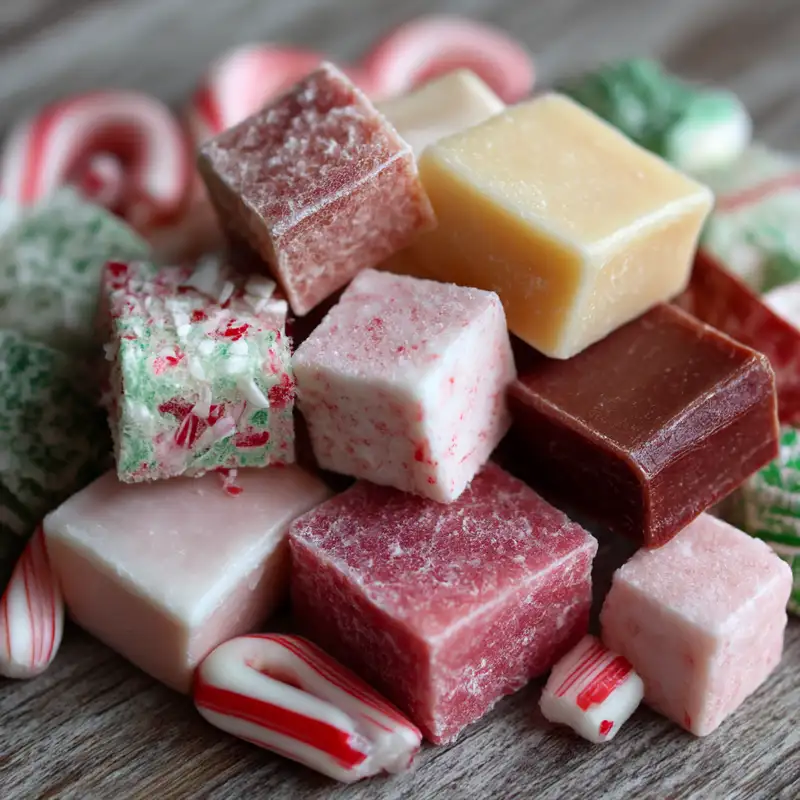
Whether it's fudge, peanut brittle, divinity, pralines, peppermint bark, or any of the dozens of candies that show up on holiday tables across the South and beyond—there's something special about making candy at Christmastime. It's chemistry, it's art, it's tradition, and honestly, it's a little bit of magic.
So grab yourself something warm to drink, settle in, and let's talk about the sweet science and beautiful tradition of making Christmas candy.
PART ONE: THE TRADITION AND HISTORY
Let's start with why candy-making became such a central part of Christmas traditions, particularly here in the South.
Go back a hundred years or more, and sugar wasn't something people had access to year-round the way we do now. Sugar was expensive. It was special. It was something you saved for occasions, and Christmas was the biggest occasion of the year.
Families would save up sugar rations, pool their resources, and dedicate time to making sweets that would last through the holiday season. Making candy wasn't just about having dessert—it was about celebration, abundance, showing love through the effort of creation.
In my own family, candy-making was an event. My grandmother would commandeer the kitchen for entire afternoons, and us kids would hover around watching the process like it was pure magic. Because honestly, it kind of is. You take simple ingredients—sugar, butter, cream, nuts—apply heat and technique, and suddenly you've got something completely transformed. Liquid becomes solid. Clear becomes opaque. Sweet becomes... well, even sweeter.
Different regions developed their signature candies based on what was locally available. Down South, we had pecans in abundance, so pralines became a staple—those creamy, nutty confections that melt on your tongue. We had sorghum and molasses, so candies incorporating those distinctive Southern sweeteners showed up on Christmas tables. Peanut brittle became popular because peanuts were plentiful and cheap.
Up North, maple candy made sense because maple syrup was readily available. Coastal regions incorporated ingredients like coconut. Every area put its own stamp on Christmas candy traditions based on local agriculture and cultural influences.
But beyond regional differences, there's something universal about the act of candy-making at Christmas. It requires patience. It requires attention. You can't rush good candy. You have to watch temperatures carefully, stir consistently, wait for exactly the right moment. In our modern world of instant gratification, there's something almost meditative about the slow, careful process of candy-making.
And then there's the gifting aspect. Homemade candy became the perfect Christmas gift—something that required time, skill, and care to create. When you gave someone a tin of homemade fudge or a bag of peanut brittle, you weren't just giving them sugar. You were giving them hours of your time, expertise passed down through generations, and a piece of your family's tradition.
That tradition continues today, even though we can buy candy any time we want from any store. People still make Christmas candy because it connects them to the past, to family members who are no longer with us, to a slower way of doing things that feels increasingly precious in our fast-paced world.
PART TWO: THE SCIENCE - UNDERSTANDING CANDY TEMPERATURES
Now let's talk about what's actually happening when you make candy, because understanding the science makes you a better candy-maker.
Candy-making is all about sugar chemistry. Specifically, it's about controlling how sugar molecules behave at different temperatures. When you heat sugar dissolved in water, the water gradually evaporates, and the concentration of sugar increases. As that concentration changes, the physical properties of the mixture change dramatically.
This is where candy thermometers become your best friend. Professional candy-makers and experienced home cooks know that temperature is everything. A few degrees difference can mean the difference between perfect fudge and grainy disaster, between crisp peanut brittle and chewy mess.
Let me break down the main temperature stages:
Thread Stage (230-235°F): At this temperature, sugar syrup forms thin threads when dropped from a spoon. This stage is used for making syrups and some icings.
Soft Ball Stage (235-240°F): Drop a bit of the mixture into cold water and it forms a soft, flexible ball. This is your fudge temperature, your praline temperature. The mixture is concentrated enough to hold shape when cooled, but still soft and creamy.
Firm Ball Stage (245-250°F): The ball formed in cold water is firmer but still pliable. This is where you're making caramels and some softer toffees.
Hard Ball Stage (250-265°F): Now we're getting serious. The ball formed is hard but still somewhat pliable. This is divinity territory, marshmallow territory. The sugar structure is getting rigid.
Soft Crack Stage (270-290°F): Drop the mixture in water and it separates into threads that are firm but not brittle. This is where you're making butterscotch and some toffees.
Hard Crack Stage (300-310°F): The threads formed are hard and brittle. This is peanut brittle, hard toffee, lollipops. The water is almost completely evaporated. You're working with essentially pure melted sugar at this point.
Caramelization (320-350°F): Beyond hard crack, sugar itself begins to break down and caramelize, developing those deep, complex flavors. Go too far and you've got burnt sugar. Hit it just right and you've got magic.
Now, here's why this matters practically: If you're making fudge and you accidentally take the temperature to 250°F instead of stopping at 238°F, you're not getting fudge anymore. You're getting something harder, less creamy, with a different texture entirely. Those twelve degrees matter enormously.
Humidity also plays a role. On humid days, candy-making becomes trickier because moisture in the air affects how the candy sets. Old-timers would say "Don't make candy on a rainy day," and there's actual science behind that folk wisdom.
This is also why ingredients matter. The fat content in your cream, the purity of your sugar, whether you're using corn syrup or not—all these factors affect crystallization, texture, and final results. Corn syrup, for instance, interferes with sugar crystallization, which is why it's added to many candy recipes. It keeps the texture smooth rather than grainy.
Understanding these principles means you're not just following recipes blindly—you're understanding what you're trying to achieve and how to adjust if things aren't going quite right.
PART THREE: CLASSIC RECIPES AND TECHNIQUES
Alright, let's talk about some classic Christmas candies and the techniques that make them special.
Fudge:
Fudge is probably the most common homemade Christmas candy, and for good reason—it's relatively forgiving, incredibly versatile, and absolutely delicious when done right.
Traditional fudge is made by heating sugar, butter, and cream to soft ball stage (around 238°F), then cooling it slightly and beating it until it loses its gloss and starts to thicken. That beating process is crucial. It creates tiny sugar crystals that give fudge its characteristic smooth, creamy texture.
The most common mistake people make with fudge is either undercooking it—resulting in fudge that never quite sets—or stirring it while it's heating, which can cause premature crystallization and grainy texture. You want to heat it undisturbed, let it cool to about 110°F, then beat the hell out of it until it thickens.
Variations are endless. Chocolate fudge is classic. Peanut butter fudge is Southern staple. Maple fudge, rocky road, cookies and cream—once you understand the basic technique, you can flavor fudge however you want.
Peanut Brittle:
This is hard crack candy at its finest. You're taking sugar syrup all the way to 300°F, adding peanuts, then spreading it thin to cool into that characteristic crisp, shattering texture.
The key to great peanut brittle is working fast once you add the baking soda. That baking soda creates tiny air bubbles throughout the candy, giving it lighter texture and easier bite. But it starts setting almost immediately, so you need to pour and spread quickly before it hardens.
Raw peanuts work better than roasted because they'll toast in the hot candy, developing flavor without burning. Some people add butter at the end for richness. The result should snap cleanly when broken, not bend or feel sticky.
Pralines:
These are pure Southern heritage. Pralines originated in France, but Louisiana made them distinctly American by using pecans and incorporating brown sugar or cane syrup.
Pralines require that soft ball stage again, but with brown sugar contributing deeper molasses notes. The mixture is cooked with pecans, then beaten just slightly as it cools—not as much as fudge, because you want pralines to have that slightly grainy, creamy texture that's distinctive.
Drop spoonfuls onto wax paper and let them set. Perfect pralines are creamy, nutty, sweet but not cloying, with that characteristic sandy-smooth texture that makes them addictive.
Divinity:
This is where candy-making gets technical. Divinity is essentially a meringue stabilized with hot sugar syrup. You're beating egg whites to stiff peaks while simultaneously cooking sugar syrup to hard ball stage, then slowly incorporating that hot syrup into the whites while continuing to beat.
Divinity requires perfect timing and humidity control. Too humid and it won't set. Overbeat and it gets stiff and crumbly. Underbeat and it stays sticky. When it works, you get these fluffy, melt-in-your-mouth clouds that are sweet but light, often studded with pecans or cherries.
My grandmother made divinity every Christmas, and watching her was like watching a conductor leading an orchestra. She knew by sound and texture exactly when everything was ready. That kind of intuitive knowledge comes from years of practice.
Peppermint Bark:
This is a more modern addition to Christmas candy traditions, but it's become hugely popular because it's relatively easy and looks impressive.
You're essentially layering chocolate—dark chocolate base, white chocolate top layer, crushed candy canes sprinkled over while still wet. The trick is tempering the chocolate properly so it sets with a nice snap and glossy finish rather than chalky bloom.
Spread it thin on a parchment-lined baking sheet, let it set completely, then break it into irregular shards. It's beautiful, festive, and requires more patience than technical skill.
Bourbon Balls:
No Southern Christmas candy selection is complete without bourbon balls. These are no-bake confections made from crushed vanilla wafers, pecans, powdered sugar, cocoa, and enough bourbon to bind everything together.
Roll them into balls, let them cure for a few days in an airtight container for flavors to meld, then dust with more powdered sugar before serving. They're rich, boozy, sophisticated—definitely an adult candy.
PART FOUR: TIPS AND TRADITIONS
Let me share some practical tips that'll make your candy-making more successful:
Invest in a good candy thermometer. Seriously, this is the single most important tool. Digital thermometers with quick readouts are ideal. Clip-on models that attach to your pot are convenient.
Use heavy-bottomed pots. Thin pots create hot spots that can burn sugar. Heavy pots distribute heat evenly.
Don't double recipes. Candy recipes are carefully balanced for specific volumes and cooking times. Doubling them throws off those calculations. If you need more, make multiple batches.
Prepare everything in advance. Candy-making requires attention and speed at crucial moments. Have all ingredients measured, all tools ready, parchment paper laid out. Once you start, you can't stop to hunt for something.
Watch constantly near the end. Sugar temperatures climb slowly at first, then accelerate rapidly near the end. Turn your back for two minutes and you can go from perfect to burnt.
Test in cold water if you don't trust your thermometer. The old-fashioned method of dropping candy into cold water to check the ball stage still works perfectly.
Practice patience. Don't rush cooling times. Don't try to cut fudge before it's fully set. Good candy requires waiting.
Now, about traditions: Making candy can be a wonderful family activity, especially with kids. Let them help measure ingredients, stir when it's safe, certainly let them help eat the results. These are the moments that create memories and pass traditions to the next generation.
Consider making candy-making an annual event. Pick a day, gather family or friends, make several types of candy assembly-line style, then package them up for gifting. It becomes something everyone looks forward to.
And speaking of gifting: Presentation matters. Invest in nice tins, boxes, or jars. Add festive ribbon. Include the recipe on a card if it's a family specialty. Homemade candy given with care is one of the most personal, appreciated gifts you can give.
CONCLUSION
So there you have it—the sweet science and beautiful tradition of making Christmas candy.
Whether you're carrying on family recipes that go back generations or starting new traditions of your own, there's something special about taking the time to make candy by hand during the holidays. It's a connection to the past, a demonstration of care in the present, and hopefully a tradition that continues into the future.
Yes, you can buy candy anywhere. But you can't buy the experience of making it. You can't buy the memory of your grandmother's hands working sugar into pralines. You can't buy the pride of presenting something you made yourself, knowing the skill and patience it required.
In our modern world of convenience and speed, candy-making forces you to slow down, pay attention, work carefully. Those are valuable skills, valuable experiences.
So this Christmas season, consider making some candy. Start simple if you're new to it—fudge or peppermint bark are forgiving and delicious. If you're experienced, maybe try something you've never attempted before. Challenge yourself with divinity or hand-pulled ribbon candy.
Share the results. Gift them to neighbors, bring them to parties, send them to distant family members. Every piece carries your time, your care, your connection to tradition.
And if you've got family recipes for Christmas candy, honor them by making them. Write down the techniques if they're not documented. Teach younger family members. These traditions only survive if we actively pass them along.
Thanks for joining me on this sweet journey through Christmas candy traditions.
Until next time, may your sugar reach the perfect temperature, may your candy set beautifully, and may your holidays be filled with sweetness—both literal and figurative.
Take care, everyone, and happy candy-making.